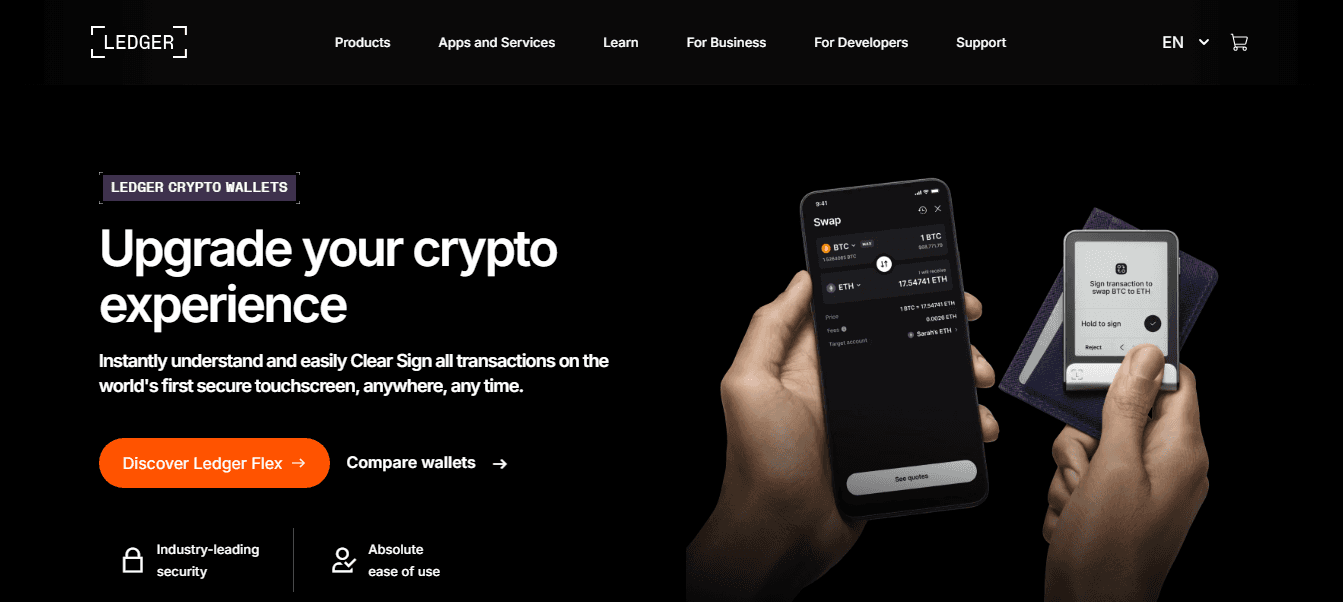
Ledger Login: Securely Access and Manage Your Cryptocurrency
As cryptocurrencies become an integral part of global finance, managing digital assets safely has never been more critical. Unlike traditional banking, cryptocurrencies require careful handling of private keys, which control access to your funds. Ledger wallets provide one of the most secure ways to store cryptocurrencies, offering hardware-based protection that keeps private keys offline. Central to using Ledger devices is the Ledger login process, which ensures that only authorized users can access accounts and manage assets. This guide explores the Ledger login process, setup, security features, best practices, troubleshooting tips, and mobile access options.
What Is a Ledger Wallet?
Ledger wallets are hardware wallets designed to protect cryptocurrency private keys by keeping them offline. Unlike online wallets or exchange accounts, hardware wallets provide maximum security against hacks, malware, and phishing attacks.
Popular Ledger models, such as the Ledger Nano S and Ledger Nano X, pair with the Ledger Live application, a software interface for desktops and mobile devices. Ledger Live allows users to manage balances, send and receive tokens, stake coins, and monitor their cryptocurrency portfolios.
The login process is essential for securely connecting the hardware wallet to Ledger Live, giving users access to their assets while maintaining high security standards.
Understanding Ledger Login
Ledger login is the process of connecting your hardware wallet to the Ledger Live application to manage cryptocurrency accounts. Ledger login combines hardware and software authentication to prevent unauthorized access.
Key components of Ledger login include:
PIN Code: A unique numeric code set during wallet setup that unlocks the device. Multiple incorrect entries will reset the device.
Recovery Phrase: A 24-word phrase generated when creating the wallet. This phrase allows users to restore the wallet if the device is lost or damaged.
Device Authentication: Physical confirmation on the Ledger device is required for login and transactions.
Ledger Live Access Password: An optional password for the Ledger Live application to prevent unauthorized access on a specific device.
Step-by-Step Ledger Login Process
Logging into Ledger Live with your hardware wallet involves the following steps:
Step 1: Install Ledger Live
Begin by downloading and installing Ledger Live on your desktop or mobile device. Ledger Live serves as the main interface for managing cryptocurrency accounts.
Step 2: Connect Your Ledger Device
Plug in your Ledger wallet using a USB cable (or Bluetooth for Ledger Nano X). Make sure your device is powered on and properly connected.
Step 3: Enter Your PIN
Input the PIN code you set during setup. This is the first line of defense against unauthorized access. Multiple incorrect PIN entries will wipe the device to protect funds.
Step 4: Open Ledger Live
Launch the Ledger Live application. It will detect your hardware wallet once the PIN is verified.
Step 5: Confirm Device Connection
Approve the connection by pressing the buttons on your Ledger device. This step ensures that no action can occur without physical authorization.
Step 6: Access Your Accounts
After authentication, you can view account balances, send or receive cryptocurrencies, stake tokens, manage assets, and monitor your portfolio using Ledger Live.
Security Features of Ledger Login
Ledger is built around high-security principles. The login process includes multiple safeguards:
1. Hardware Security
Ledger devices use a Secure Element (SE) chip to store private keys offline. This ensures that keys never leave the device, making them immune to online attacks.
2. PIN Code Protection
The PIN code protects the device from unauthorized access. If entered incorrectly multiple times, the device wipes itself to prevent theft.
3. Recovery Phrase
The 24-word recovery phrase is a backup that allows users to restore their wallet if the device is lost, stolen, or damaged. It should be stored offline in a secure location.
4. Transaction Approval
Every transaction must be manually confirmed on the hardware wallet, ensuring malware or remote attacks cannot execute unauthorized transactions.
5. Ledger Live Password
An optional password can secure access to the Ledger Live application, preventing unauthorized use on the device where the software is installed.
Best Practices for Ledger Login
To maximize security when using Ledger, follow these best practices:
Never Share Your PIN or Recovery Phrase: Anyone with these can access your funds.
Use Secure Devices: Avoid public or shared computers when accessing Ledger Live.
Keep Firmware Updated: Updates improve security and add new features.
Use Ledger Live Password Protection: Adds another security layer for application access.
Securely Store Recovery Phrase: Keep it offline, preferably in multiple safe locations.
Physical Security: Protect the device from theft or damage.
Adhering to these practices reduces the risk of theft or accidental loss of cryptocurrencies.
Common Ledger Login Issues
Even with a secure design, users may experience minor issues during login:
Device Not Detected: Ensure the USB connection is stable and Ledger Live is updated.
Incorrect PIN: Multiple failed attempts will reset the device; the recovery phrase is required to regain access.
Recovery Phrase Errors: When restoring a wallet, any incorrect word will prevent login.
Software Conflicts: Ensure your operating system supports Ledger Live and that no conflicting programs are running.
Understanding these common issues can prevent frustration during login.
Ledger Login on Mobile Devices
Ledger Nano X supports Bluetooth connectivity, making it easy to access accounts via smartphones:
Pair your Ledger device with the Ledger Live mobile app.
Enter your PIN on the device.
Approve the connection in Ledger Live by confirming on the device.
Access accounts, view balances, send and receive tokens, and manage your portfolio.
Mobile login is convenient without compromising security, as all critical operations require physical confirmation on the Ledger hardware.
Advanced Security Recommendations
For users holding large amounts of cryptocurrency, additional security measures are advisable:
Dedicated Device for Ledger Live: Reduces exposure to malware.
Two-Factor Authentication on Device OS: Adds extra protection for devices running Ledger Live.
Secure Recovery Phrase Storage: Consider fireproof or waterproof storage methods.
Minimal Public Exposure: Avoid discussing wallet details online or in public.
These measures further enhance security, making unauthorized access extremely difficult.
Conclusion
Ledger login is a vital component of cryptocurrency security. By combining hardware-based protection with Ledger Live, users can securely manage assets while maintaining full control over private keys. The login process integrates PIN verification, recovery phrase authentication, device confirmation, and optional Ledger Live password protection, ensuring that only authorized users can access funds.
Following best practices, keeping firmware updated, and using secure devices greatly reduces the risk of theft or loss. Whether you are a beginner or an experienced cryptocurrency investor, understanding and correctly using Ledger login is essential for safely managing digital assets. Ledger provides not just a wallet but a comprehensive security system that gives users confidence in the fast-growing world of cryptocurrencies.